

eHarmony: A Comprehensive Review

eHarmony

Introduction to eHarmony

eHarmony is one of the most well-known dating platforms. eHarmony particularly renowned for its focus on fostering long-term, meaningful relationships.

It is Founded in 2000 by Dr. Neil Clark Warren, a clinical psychologist, the site uses a scientific approach to matchmaking, emphasizing compatibility and shared values.

In this review we will delve into the various aspects of eHarmony, explaining its features, pros and cons, and how it compares to other dating platforms.

eHarmony Sign-Up Process
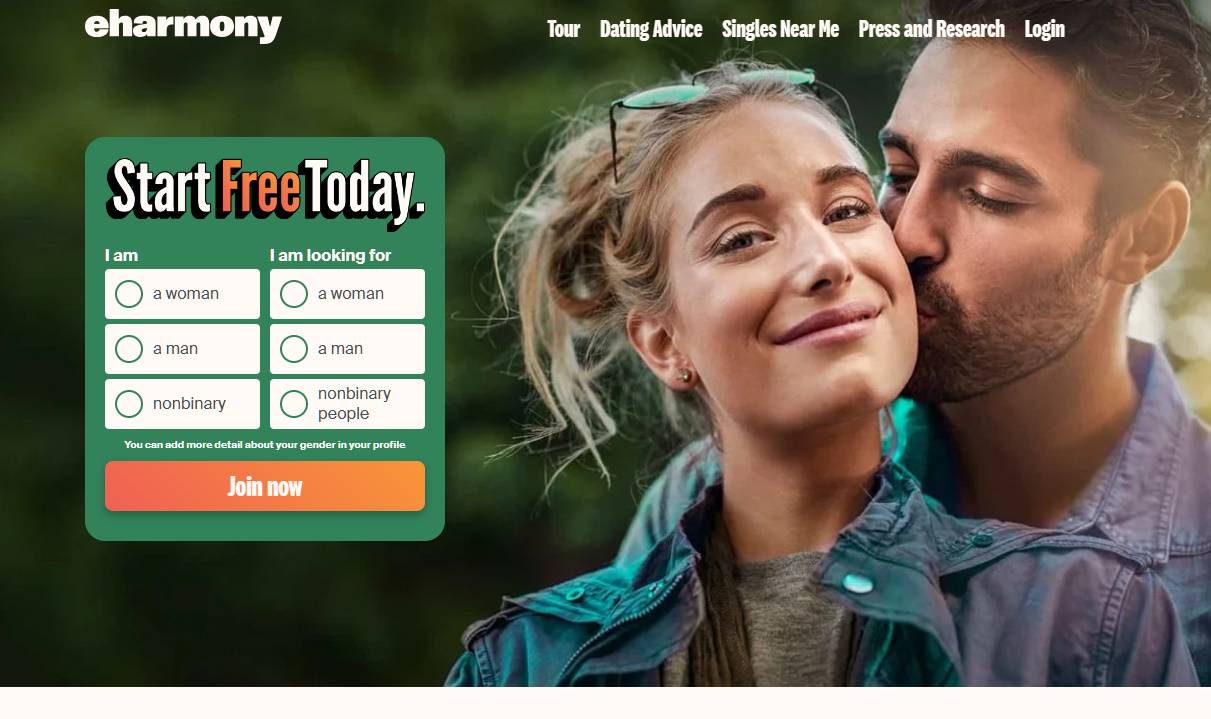
Sign-Up Process:

How is the signup process. Let,s know in brief.

The sign-up process on eHarmony is detailed and thorough, reflecting its commitment to finding you a compatible match. It starts with a comprehensive questionnaire that covers various aspects of your personality, lifestyle, and preferences. This includes:

  • Basic Information: Age, gender, and location.
  • Personality Traits: Questions about your habits, likes, dislikes, and values.
  • Relationship Goals: What you’re looking for in a partner and your long-term relationship goals.

This process can take around 20-30 minutes but is crucial for eHarmony’s matching algorithm. For example, you’ll answer questions like, “How often do you feel stressed?” or “How important is it to you that your partner shares your religious beliefs?” These questions affect your match preferences. So you have to carefully answer each and every question.

eHarmony User Interface

Once you’re signed up, the user interface is clean and intuitive. The dashboard is straightforward, displaying matches, messages, and profile updates. The navigation is seamless, with clearly labeled tabs for easy access to different sections.

Matchmaking Algorithm

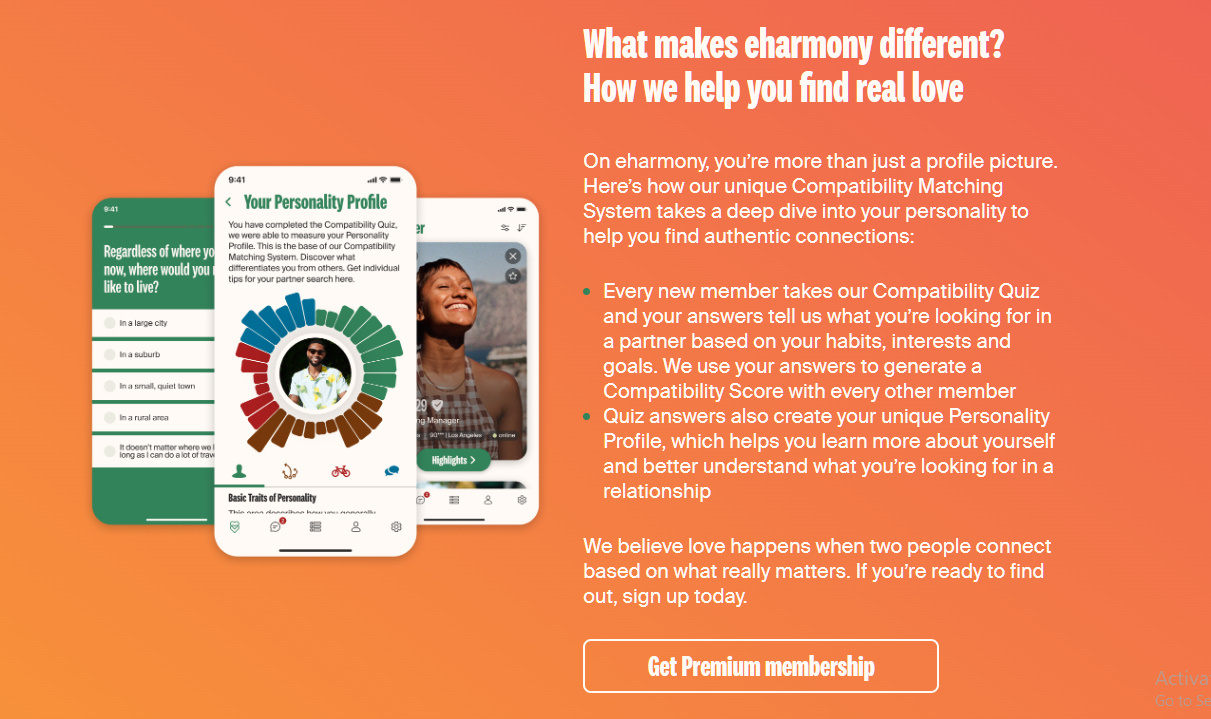
Compatibility Matching System (CMS):

eHarmony’s core strength lies in its Compatibility Matching System (CMS). This algorithm uses the data from your initial questionnaire to match you with compatible partners. It considers 29 dimensions of compatibility, which include emotional temperament, social style, cognitive mode, and physicality.

For instance, if you’re someone who values intellectual conversations, eHarmony’s algorithm will prioritize matches who have indicated a similar interest. This approach ensures that you’re matched with individuals who share your core values and lifestyle preferences, increasing the likelihood of a successful relationship.

Daily Matches:

Each day, eHarmony provides a list of matches based on your compatibility scores. This curated list saves you time by narrowing down potential partners to those who align with your personality and relationship goals.

Communication Tools

Guided Communication:

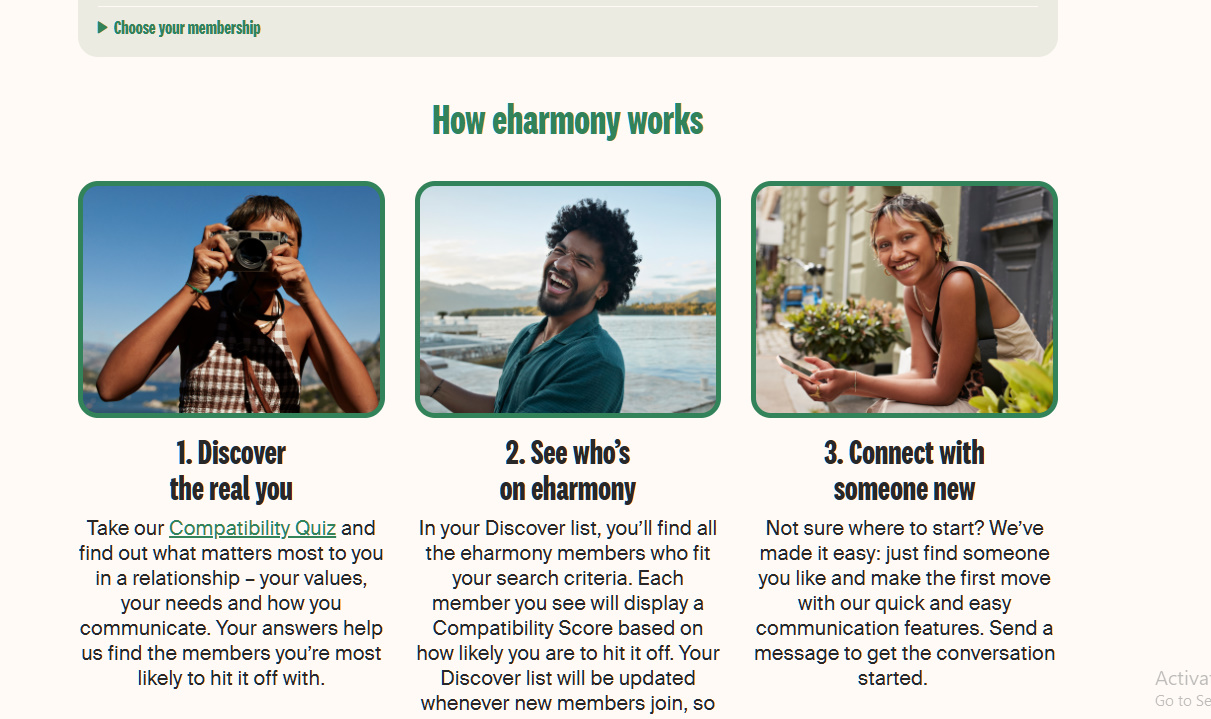
One unique feature of eHarmony is its Guided Communication process. This is designed to help users get to know each other gradually and comfortably. It consists of several steps:

  1. Icebreakers: Simple questions to get the conversation started.
  2. Pre-Written Questions: Choose from a list of questions to send to your match.
  3. Digging Deeper: Share your answers to more personal questions.
  4. Direct Messaging: Once you’re comfortable, you can start exchanging messages freely.

For example, you might start with a question like, “What’s your favorite way to spend a weekend?” and gradually move to more personal inquiries such as, “What are your most important life goals?”

Video Dating:
In response to the increasing demand for virtual interactions, eHarmony has introduced a video dating feature. This allows you to have face-to-face conversations without leaving the platform, adding a layer of personal connection that’s often missing in text-based communication.

Membership Options and Pricing

eHarmony offers both free and premium memberships. While the free version allows you to create a profile and view your matches, communication features are limited. To get the full experience, a premium membership is recommended.
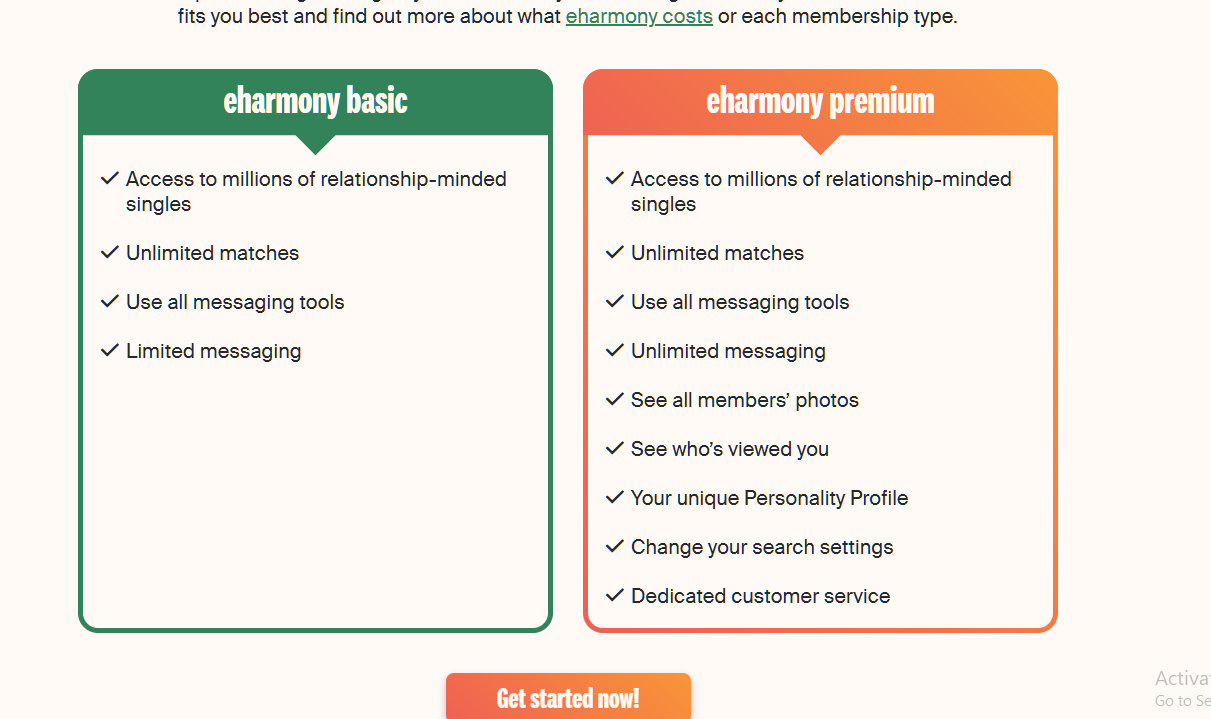
Premium Membership Tiers:

  1. Premium Light (6 months): Offers basic features and costs around $59.90 per month.
  2. Premium Plus (12 months): Provides a better value at approximately $35.90 per month.
  3. Premium Extra (24 months): The most cost-effective option, costing about $25.90 per month.

Premium members get access to unlimited messaging, detailed personality reports, and the ability to see who viewed their profile.

Success Stories and User Testimonials

eHarmony has a high success rate in creating long-term relationships. The site claims that 438 people get married every day thanks to eHarmony’s matchmaking. Numerous user testimonials attest to the effectiveness of the platform. For instance, one user might share a story about how they met their spouse after years of unsuccessful dating on other platforms, highlighting eHarmony’s superior matching system.

Comparison with Other Dating Sites

eHarmony vs. Match.com:
  • Matching Algorithm: eHarmony’s algorithm is more comprehensive and scientifically grounded compared to Match.com, which offers more general search and match capabilities.
  • User Base: Match.com has a larger and more diverse user base, but eHarmony’s users are more focused on serious relationships.

eHarmony vs. Tinder:

  • Purpose: Tinder is geared more towards casual dating and short-term interactions, while eHarmony is focused on long-term relationships.
  • User Experience: Tinder offers a quick and easy swiping experience, whereas eHarmony requires a more significant time investment up front.

eHarmony vs. Bumble:

  • Communication: Bumble requires women to initiate the conversation, which can empower female users but might limit interactions. eHarmony’s guided communication is more structured and gradual.
  • Demographics: Bumble attracts a younger crowd, while eHarmony is more popular among those seeking serious relationships in their late 20s and older.

Pros and Cons

Pros:

  1. Comprehensive Matching System: The detailed questionnaire and algorithm increase the chances of finding a compatible match.
  2. Focus on Long-Term Relationships: Ideal for those looking for serious commitments.
  3. User-Friendly Interface: Easy navigation and clean design.
  4. Video Dating: Enhances the connection before meeting in person.

Cons:

  1. Time-Consuming Sign-Up: The lengthy questionnaire can be a deterrent for some users.
  2. Cost: Premium membership is relatively expensive compared to other dating sites.
  3. Limited Free Features: Most useful features require a paid subscription.

Conclusion and Rating

In conclusion, eHarmony stands out as a premier dating site for those seeking serious, long-term relationships. Its scientifically-backed matching system, detailed profiles, and structured communication process set it apart from many other dating platforms. While it requires a significant time investment upfront and is on the pricier side, the potential for finding a meaningful relationship is high.

Rating: 9/10

Compared to other dating sites, eHarmony excels in creating lasting connections. While platforms like Tinder and Bumble cater to different dating needs, eHarmony’s focus on compatibility and long-term success makes it a top choice for those serious about finding a partner.


Weekend Marriage: Weighing the Pros and Cons.

groom and bride decorated with flower garlands at a traditional ceremony

                 A weekend marriage is a unique living arrangement where couples live separately during the week and come together over the weekends. This arrangement can have both benefits and drawbacks. In this essay, we will discuss the pros and cons of weekend marriage.

Pros of Weekend Marriage

  1. Career Advancement:                                                                                        Weekend marriages allow couples to prioritize their careers during the week without sacrificing their personal relationships. This can lead to greater career advancement opportunities and financial stability, which can benefit the couple’s future.

  2. Personal Space: Living apart during the week allows each partner to have their own personal space and time to focus on their individual needs and interests. This can help prevent feelings of suffocation and promote a healthy sense of independence.
  3. Anticipation and Excitement: Having limited time together can make the weekend feel more special and exciting. Couples can plan fun activities and outings, which can help strengthen their bond and create shared memories.
  4. Reduced Conflict: Being apart during the week can help reduce conflict and tension between partners. This is especially true for couples who struggle with communication and personal space issues.
  5. Flexibility: Weekend marriages can offer a flexible schedule that allows couples to adjust their plans as needed. This can be particularly beneficial for couples who have busy or unpredictable schedules.

Cons of Weekend Marriage

  1. Lack of Emotional Intimacy: The lack of physical proximity and emotional intimacy during the week can lead to feelings of loneliness and disconnection between partners. This can be particularly challenging for couples who crave emotional connection and support.
  2. Difficulty Managing Household Tasks: With only a few days together each week, it can be challenging for couples to manage household tasks such as cooking, cleaning, and grocery shopping. This can lead to added stress and pressure during the limited time they have together.
  3. Limited Time Together: The limited time together can be a major drawback for some couples. They may feel that they don’t have enough time to connect or work through their issues, which can lead to unresolved conflicts and tensions.
  4. Financial Costs: Maintaining two separate households can be expensive, particularly in urban areas where housing costs are high. This can be a financial strain for some couples, particularly those with children or other dependents.
  5. Social Isolation: Weekend marriages can lead to social isolation, as each partner may have their own set of friends and social activities during the week. This can be particularly challenging for partners who are new to an area or who struggle to make friends.

Conclusion

In conclusion, a weekend marriage can be a unique living arrangement that offers both benefits and drawbacks. While it allows couples to prioritize their careers and personal space, it can also lead to emotional disconnection and limited time together. Couples considering a weekend marriage should carefully weigh the pros and cons and make a decision that works best for their individual needs and circumstances. Communication and mutual support are key to making this type of living arrangement successful.

Exploring the Spectrum of Human Relationships: A Comprehensive Guide to Types of Relationships

Types of relationships

Human beings are inherently social creatures, and relationships are at the core of our existence. They shape our lives, influence our well-being, and define the dynamics of our interactions. The concept of “types of relationships” encompasses a vast and intricate spectrum that goes far beyond the conventional notions of romantic partnerships and friendships. In this comprehensive guide, we will delve into the multifaceted world of relationships, exploring their various forms, their significance, and how they contribute to our personal growth and fulfillment.

Relationships come in all shapes and sizes, and each one is unique and special in its own way. While some relationships are built on love, others are built on friendship, shared experiences, or mutual interests. In this blog post, we will explore the different types of relationships that exist and what makes each one unique.

Types of relationships
Photo by João Jesus

Romantic Relationships:

Romantic relationships are built on love and affection and are typically characterized by a strong emotional and physical connection. These relationships can be either monogamous or polyamorous and can vary greatly in terms of commitment, intensity, and length.

Romantic relationships are a rich and diverse category of human connections. They include:

a. Heterosexual Relationships: Between individuals of the opposite gender, these relationships have been a traditional model of romantic connection.

b. Same-Sex Relationships: Comprising individuals of the same gender, same-sex relationships have gained increasing recognition and acceptance in recent years.

c. Long-Distance Relationships: Couples who maintain their connection despite geographical separation, using various means of communication and visitation

d. Open Relationships: Partners who agree to have consensual relationships outside of their primary partnership, with honesty and transparency as key principles.

e. Intercultural Relationships: Couples from different cultural backgrounds navigate unique challenges and experiences.

Family Relationships:

Family relationships are among the most important relationships in our lives. These relationships are built on blood, shared history, and love and can be either positive or negative. Family relationships can include relationships between siblings, parents, children, and grandparents, as well as extended family members such as aunts, uncles, and cousins.

Family relationships are the most foundational and enduring bonds in our lives. They can be categorized into various subtypes:

a. Nuclear Family:

Comprising parents and their dependent children, the nuclear family is often considered the fundamental unit of society.

b. Extended Family:

This type includes a broader network of relatives, such as aunts, uncles, cousins, and grandparents, who play a significant role in support and upbringing.

c. Sibling Relationships:

Brothers and sisters share a unique connection, which can be characterized by love, rivalry, and lifelong companionship.

d. Parent-Child Relationships:

These bonds vary from the nurturing love between parents and young children to the complex dynamics of parent-child relationships.

“Family is not an important thing; it’s everything.”

-Michael J. Fox

Platonic Relationships:

Platonic relationships are built on friendship, shared interests, and mutual respect. These relationships do not involve a romantic or sexual component but are nonetheless an important part of our lives. Platonic relationships can be either casual or deep and meaningful, and they can provide a strong source of support, companionship, and advice.

These relationships are non-romantic and non-familial connections that provide companionship and support.

a. Mentorship: A mentor imparts wisdom, guidance, and knowledge to a mentee, often in a professional context.

b. Platonic Life Partners: Close friends who choose to live together and share their lives without romantic involvement.

c. Companionship: Individuals who find comfort and solace in each other’s company without any romantic or sexual attachment.

Friendships

Friendships are vital connections that offer companionship, emotional support, and shared experiences.

a. Childhood Friends: Those we grow up with often hold a special place in our hearts, serving as a testament to the enduring power of friendship.

b. Work friends: colleagues who develop close bonds through shared professional experiences and challenges.

c. Online Friends: In the digital age, meaningful friendships can form through social media, online communities, and gaming.

d. Best Friends: Those with whom we share our deepest secrets and experiences, often described as “chosen family.”

Professional Relationships:

Professional relationships are built on a shared goal or purpose and are typically centered around work or business. These relationships can be either positive or negative and can have a significant impact on our careers and personal lives. Professional relationships can include relationships with coworkers, supervisors, clients, or customers.

Professional Relationships
Photo by Cottonbro

Professional relationships are pivotal to our career success and personal development.

a. Colleagues: Those with whom we work closely and share common professional goals.

b. Supervisors and Subordinates: The hierarchical relationships within a workplace, characterized by authority and responsibility

c. Networking Relationships: Connections established for career advancement and opportunities.

d. Client-Customer Relationships: Businesses and customers engage in relationships based on transactions, trust, and loyalty.

Casual Relationships:

Casual relationships are often characterized by a lack of commitment or expectations. These relationships may involve some form of physical or emotional connection but do not typically lead to a long-term commitment. Casual relationships can provide a fun and relaxed way to explore different connections with others.

Casual relationships involve low commitment and minimal emotional investment:

a. Acquaintances: People we know but don’t have a deep connection with.

b. One-Night Stands: Brief and often sexual encounters without the intention of a long-term connection.

c. Fling Relationships: Short-lived romantic or sexual connections.

Online Relationships:

Online relationships are relationships that are formed and maintained through the use of technology, such as social media, dating apps, or instant messaging. These relationships can be either romantic or platonic and can provide a convenient way to connect with others from around the world. However, it’s important to be cautious when forming relationships online, as not all people may be who they claim to be.

Toxic Relationships

Not all relationships are positive; some can be detrimental to our well-being:

a. Abusive Relationships: Marked by physical, emotional, or psychological abuse by one partner towards another.

b. Codependent Relationships: Partners enable each other’s unhealthy behaviors and dependencies.

c. Manipulative Relationships: One party seeks to control or exploit the other through deceit and manipulation.

The Conclusion

The spectrum of human relationships is vast, complex, and continually evolving. Each type of relationship brings unique experiences, challenges, and opportunities for growth. The key to thriving in relationships is communication, empathy, and understanding, as well as recognizing when it is necessary to let go of toxic or harmful connections. Ultimately, the diversity of relationships enriches our lives, contributing to our personal growth, happiness, and fulfillment. Embracing and nurturing these connections is a fundamental aspect of our shared human experience.

In conclusion, relationships come in all shapes and sizes, and each one is unique and special in its own way. Whether you’re in a romantic relationship, a family relationship, or a professional relationship, it’s important to value, appreciate, and nurture each connection that you have. By understanding the different types of relationships, we can better appreciate the rich tapestry of connections that make up our lives.

Building Strong and Lasting Relationships: Key Factors to Consider

Relationships are one of the most important aspects of our lives, providing us with love, support, and a sense of belonging. But, not all relationships are created equal. Building strong and lasting relationships requires effort, patience, and understanding. In this blog post, we’ll explore some of the key factors that contribute to healthy relationships.

  1. Communication: Effective communication is the foundation of any strong relationship. It involves being able to openly and honestly express your feelings, thoughts, and needs, and actively listening to your partner. When both partners are comfortable expressing themselves and feel heard, it creates a sense of trust and intimacy.
  2. Empathy: Relationships that thrive have partners who are able to understand and share the feelings of their partner. This ability to put yourself in someone else’s shoes helps to reduce misunderstandings and conflicts.
  3. Trust: Trust is a critical component of any relationship, allowing both partners to rely on each other and feel secure in their connection. Trust is built over time through actions that demonstrate integrity, reliability, and consistency.
  4. Compromise: Relationships require give and take, and being willing to compromise is key. When both partners are open to finding solutions that work for both of them, it helps to build a strong and harmonious relationship.
  5. Independence: While it’s important to have a strong bond with your partner, it’s also important to maintain your own identity and independence. Having interests, hobbies, and friends outside of the relationship can bring balance and help to prevent feelings of resentment or boredom.
  6. Emotional intelligence: Emotional intelligence involves being aware of and managing your own emotions, as well as being able to understand and respond appropriately to the emotions of others. When both partners have a high level of emotional intelligence, it helps to create a more stable and harmonious relationship.

In conclusion, building strong and lasting relationships requires effort, patience, and understanding. By focusing on key factors such as effective communication, empathy, trust, compromise, independence, and emotional intelligence, couples can cultivate relationships that are fulfilling, supportive, and long-lasting.